

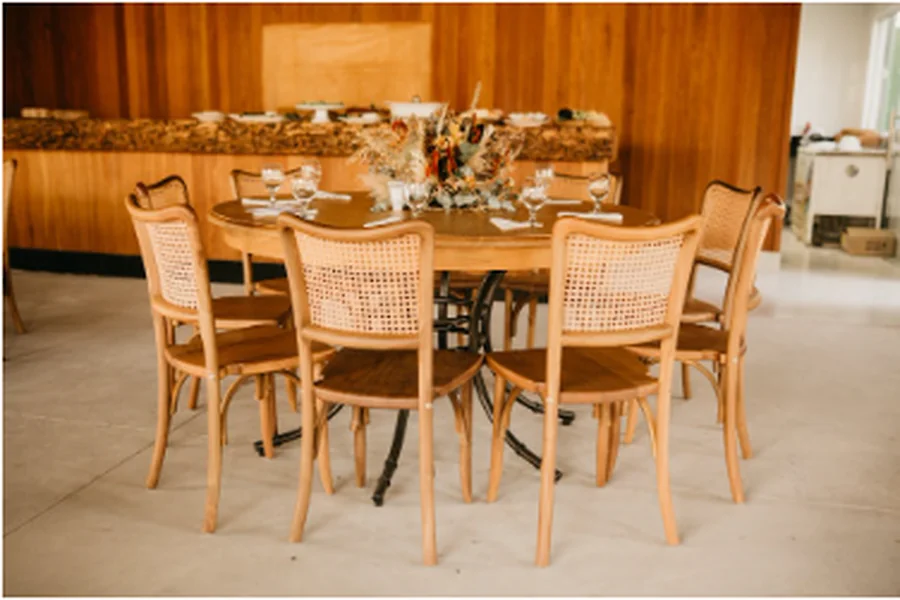
In the realm of home furnishings, dining chairs stand out as not only a utilitarian necessity but also an opportunity to express personal style, sophistication, and comfort. For those seeking to elevate their dining experience, a meticulous selection of dining chairs can transform an ordinary meal into a memorable occasion. For those considering options abroad, you can Buy Dining Chairs in Singapore with designs that cater to a diverse range of tastes.
Materials and Construction
Dining chairs are crafted from a myriad of materials, each bringing its own set of advantages and aesthetic values. Traditional wooden chairs, constructed from durable hardwoods such as oak and walnut, offer a classic appeal and robust longevity. These chairs often exhibit intricate carvings and polished finishes that celebrate woodworking artistry.
In contemporary homes, the use of metal and plastic has gained popularity due to their sleek design capabilities and affordability. Lightweight metals, like aluminium, provide a modern edge without compromising sturdiness, often featuring stackable designs that accommodate smaller dining spaces. Meanwhile, polypropylene chairs offer an array of colour choices and ergonomic designs, catering to modern eclectic interiors.
Aesthetic Considerations
The style of dining chairs can significantly influence the overall ambience of a dining area. Classic styles such as Windsor chairs or ladder-back models bring an element of timelessness and tradition. In contrast, mid-century modern designs with their clean lines and minimalist forms fit seamlessly into contemporary interiors, providing understated elegance.
More ornate and detailed designs, such as those featuring upholstered seats and backs, offer enhanced comfort and contribute additional layers of texture and colour to dining rooms. Fabrics range from luxurious velvets to durable linens, each contributing unique tactile experiences and visual appeal.
Functional Features
When selecting dining chairs, functionality should not be overlooked. Comfort is paramount, particularly for long dinners or gatherings. Ergonomically designed chairs with supportive backrests and cushioned seats provide necessary comfort, allowing diners to fully enjoy their meals without distraction.
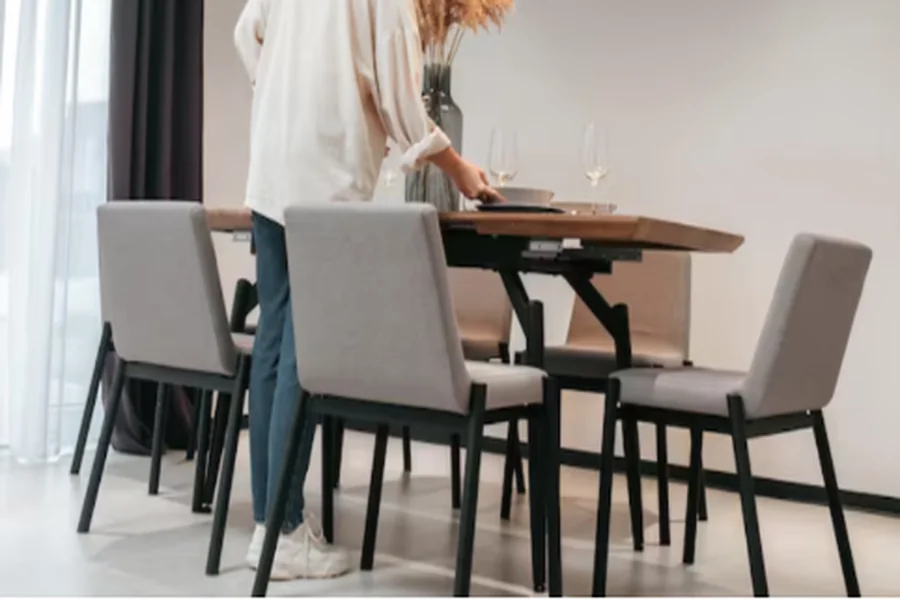
Additionally, the practicality of chair maintenance is an important factor. Removable slipcovers or wipe-clean materials can be advantageous in households with children or frequent entertaining. Wheels or swivel bases on chairs can increase mobility and ease of use, particularly in versatile dining spaces.
Space and Proportions
The size and proportions of dining chairs should complement the dining table and the overall space available. Chairs that are too large may overcrowd a room, while too small chairs can seem dwarfed, thus diminishing their presence. Ensuring adequate spacing—typically accounting for at least 24 inches between chair centres—ameliorates movement and comfort, enhancing the dining experience for all.
Moreover, the height of the chair relative to the dining table is a crucial consideration, with seat heights optimally around 12 inches lower than the tabletop for maximum comfort. Correct proportions foster an inviting atmosphere, urging guests to linger over meals and conversations.
Dining Chair Trends
Design trends in dining chairs evolve alongside broader interior design movements. Currently, there is a burgeoning appreciation for sustainable materials and craftsmanship, with reclaimed wood and recycled metals becoming desirable options for environmentally conscious consumers. These materials not only reduce environmental impact but also provide unique character, each piece narrating its history.
Furthermore, mixed material designs that combine metals, woods, and textiles reflect a growing trend towards personalised, eclectic interiors. This trend encourages homeowners to experiment with textures and finishes, creating spaces that reflect their individual tastes and lifestyles.
Cultural and Historical Influence
Throughout history, dining chairs have reflected cultural shifts and social structures. In medieval times, grand, high-backed chairs symbolised power and were reserved for nobility. Conversely, during the industrial era, mass production democratised furniture design, making stylish chairs accessible to all classes.
Modern dining chairs continue to be influenced by these traditions, alongside an amalgamation of styles and finishes that transcend cultural boundaries. From minimalist Japanese influences to ornate European designs, the global marketplace offers a spectrum of choices to reflect diverse heritages and preferences.
Longevity and Investment
High-quality dining chairs represent a significant investment but offer prolonged value over time. Chairs made from sturdy materials and crafted with precision can last generations, often becoming cherished family heirlooms. As with any investment, considering durability and timeless appeal ensures value retention.
Regular maintenance, such as tightening screws and caring for finishes, will prolong the life of dining chairs. For fabric-upholstered models, periodic reupholstering can rejuvenate their appearance while concurrently updating style to reflect evolving trends.
Eclectic and Personalised Spaces
In modern households, the dining space is more than just a place for meals; it serves as a hub for familial gatherings, workspaces, and entertainment zones. This multifunctional use demands dining furniture that is adaptable and reflective of the occupants’ lifestyles.
Creating an eclectic dining space involves mixing different chair styles and colours, which can infuse energy and personal expression into the room. By blending various textures and finishes, homeowners can craft a space that is both dynamic and harmonious, perfectly suited to their individual tastes and needs.
Dining chairs, therefore, are not merely furnishings but pivotal elements around which cherished memories are crafted. Each choice—from material and style to functionality and maintenance—adds to the living narrative of those who gather around them. The myriad options available today not only enhance dining experiences but also reflect the evolving nature of how we come together to share moments and meals.
