

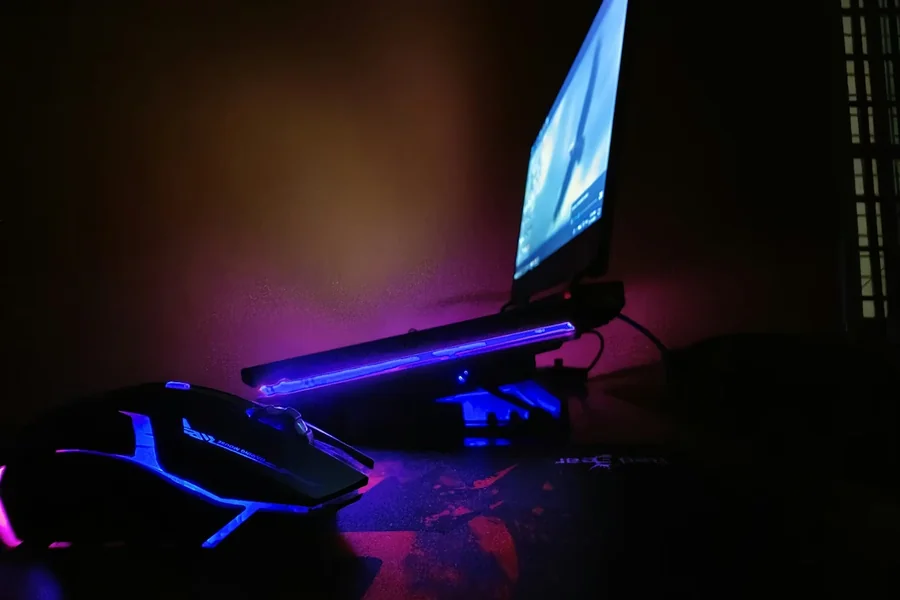
Choosing a gaming laptop has become more complex as hardware continues to evolve and options expand. Modern systems are expected to deliver strong performance, consistent reliability, and practical usability across diverse user types. Many buyers now compare top-rated gaming laptops to better understand which models offer the best balance of power, cooling efficiency, display quality, and long-term value. Whether used for casual play or competitive gaming, selecting the right laptop depends on understanding the components and features that directly affect performance and long-term value.
Key Features of Quality Gaming Laptops
The graphics processing unit (GPU) remains the most important component in a gaming laptop. It determines how well a system can render modern games, affecting visual detail, frame rates, and overall smoothness. A capable GPU ensures that games run consistently without stuttering, which is particularly important in fast-paced or competitive titles.
The central processing unit (CPU) also plays a critical role. While the GPU handles visuals, the CPU manages calculations, background processes, and game logic. A strong CPU allows the system to run demanding games efficiently and supports multitasking, such as streaming or running additional applications in the background. Current processors offer a wide range of performance levels, allowing users to choose according to their needs and budget.
Display quality is another major factor. High refresh rate screens, such as 120 Hz or 144 Hz, provide smoother motion and improve responsiveness. This can make a noticeable difference in gameplay, especially in competitive environments. Resolution is also important. While 1080p remains the standard due to its balance of performance and clarity, higher resolutions like 1440p and 4K are becoming more common, offering sharper and more detailed images.
Leading Gaming Laptop Models
Several gaming laptops stand out for their balance of performance, design, and build quality.
The Alienware m15 R6 is designed for high performance. It features NVIDIA GeForce RTX 30-series graphics and 11th-generation Intel processors, allowing it to handle modern games with ease. Its build quality is solid, and its cooling system helps maintain stable performance during long gaming sessions.
The Razer Blade 15 is known for its slim design and premium construction. Despite its compact form, it includes powerful hardware, with options for RTX 3070 or 3080 GPUs. It also offers a variety of display choices, including high refresh rate full HD panels and a 4K OLED touchscreen. This flexibility makes it suitable for both gaming and content creation.
The ASUS ROG Zephyrus G15 provides a strong balance between performance and portability. Equipped with an AMD Ryzen 9 processor and RTX 3080 GPU, it is capable of handling both gaming and creative workloads. Its lightweight design makes it easier to carry compared to many other high-performance laptops, while still delivering a high-quality visual experience.

Performance and Portability
Gaming laptops have reached a point where they can deliver performance close to that of desktop systems while remaining portable. Advances in engineering have allowed manufacturers to reduce size and weight without significantly compromising power. This makes gaming laptops suitable for users who need flexibility, whether for travel, work, or shared spaces.
Battery life has also improved, largely due to more efficient components. While demanding games still drain power quickly, general use and lighter tasks can now be performed for longer periods without needing to recharge. This makes gaming laptops more practical as everyday devices, not just dedicated gaming machines.
Thermal Management
Thermal management is a key factor in maintaining performance. High-performance components generate heat, which can reduce efficiency if not properly controlled. Modern gaming laptops address this through advanced cooling systems, including improved airflow designs, high-speed fans, and in some cases, vapour chamber technology.
Effective cooling ensures that the system can sustain performance over time without overheating or throttling. It also contributes to the longevity of internal components, making it an important consideration when evaluating a gaming laptop.
Additional Features
Beyond core performance, several additional features enhance the overall user experience. Keyboards are often designed with gaming in mind, offering better responsiveness and durability. Some models include mechanical or optical switches, providing improved tactile feedback compared to standard laptop keyboards.
Audio quality is another important aspect. Improved speaker systems and audio processing can make games more immersive and provide a competitive advantage in situations where sound cues are important.
Upgradability also adds value. Many gaming laptops allow users to expand memory or storage, extending the device’s lifespan. This flexibility helps users adapt to changing requirements without needing to replace the entire system.
Security and Connectivity
Modern gaming laptops include features that support both convenience and security. Biometric authentication, such as fingerprint sensors or facial recognition, helps protect user data and allows quick access to the system.
Connectivity options are also more advanced. Technologies like Wi-Fi 6 and Bluetooth 5.0 provide faster and more stable connections, while high-speed ports support a wide range of peripherals. These features ensure that gaming laptops can integrate easily into different setups, whether for gaming, work, or entertainment.
Conclusion
Gaming laptops have evolved into versatile systems capable of delivering strong performance in a portable form. By combining powerful hardware, effective cooling, and user-focused features, they meet the needs of a wide range of users. Understanding these elements allows buyers to make informed decisions and select a device that offers both performance and long-term value.
