

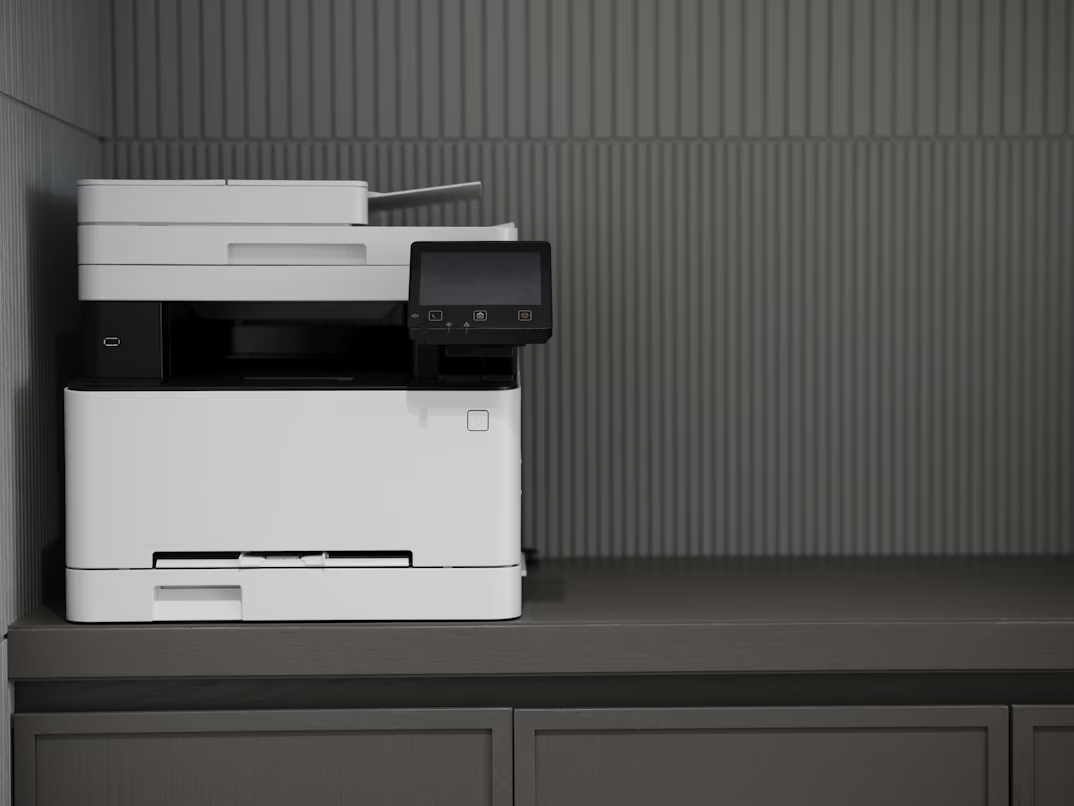
The office copier has developed into a vital component of contemporary business environments. Initially created for simple document duplication, it has evolved into a multifunctional system that supports printing, scanning, faxing, and digital document management. Companies such as Konica Minolta have played a significant role in this transformation by producing integrated office solutions designed to improve workflow efficiency and workplace productivity.
Technological Advancements in Copier Systems
Modern copiers have been significantly influenced by digital innovation and network connectivity. Unlike earlier models that functioned independently, today’s devices are integrated into broader office systems. This connectivity allows copiers to communicate with computers, servers, and cloud platforms, enabling seamless document handling and workflow automation.
Digital copiers now support advanced features such as remote printing, digital file storage, and document editing. Many systems are equipped with software that allows users to scan documents directly to email or cloud storage, reducing reliance on physical paperwork. These capabilities have transformed copiers into multifunctional hubs that support a wide range of business operations.
Security features have also improved alongside technological development. Modern systems include encrypted data transmission, secure printing options, and user authentication protocols. These enhancements help protect sensitive information and ensure compliance with data privacy standards, particularly in industries that handle confidential records.
Multifunctional Copiers and Workplace Efficiency
The shift toward multifunctional devices has redefined the role of the office copier. Instead of serving a single purpose, modern systems combine printing, scanning, copying, and faxing into one unit. This integration reduces the need for multiple machines, saving both physical space and operational costs.
Multifunctional copiers contribute significantly to workplace efficiency by streamlining document-related tasks. Employees can complete a wide range of functions from a single device, minimising downtime and improving productivity. This consolidation aligns with modern office design principles that emphasise simplicity, efficiency, and cost-effectiveness.
Sustainability and Environmental Considerations
Environmental responsibility has become an important factor in copier design and manufacturing. Many modern devices incorporate energy-efficient technologies that reduce power consumption during idle periods. Duplex printing, which enables automatic double-sided printing, helps reduce paper usage and waste.
Manufacturers have also begun using recycled materials in production processes and developing toner and ink systems that minimise environmental impact. These efforts support corporate sustainability initiatives and help organisations reduce their overall ecological footprint. In addition, software features that optimise toner usage contribute to more efficient resource management.
Security and Information Protection
As businesses increasingly rely on digital documentation, the need for secure document processing has become essential. Modern copiers address this need by incorporating advanced security systems designed to protect sensitive information. These include user login authentication, encrypted data transfer, and secure print release functions.
Such security measures prevent unauthorised access to documents and reduce the risk of data breaches. In regulated industries such as healthcare, finance, and legal services, these protections are particularly important for maintaining compliance with privacy laws and industry standards.
Support for Remote and Hybrid Work Models
The rise of remote and hybrid work arrangements has further expanded the role of modern copiers. Devices equipped with cloud connectivity and remote access capabilities allow users to send print jobs from off-site locations. This functionality ensures that employees can maintain productivity regardless of their physical location.
Cloud-based document management systems also facilitate real-time collaboration. Teams can share, edit, and print documents without being physically present in the same office. This flexibility has become essential in supporting modern workplace structures that rely on distributed teams and digital communication tools.
User Experience and Intelligent Features
Advancements in user interface design have made copiers more accessible and easier to operate. Touchscreen displays, intuitive menus, and guided instructions reduce the learning curve for new users. These improvements allow employees to perform tasks quickly and efficiently without extensive training.
Some modern copiers also incorporate artificial intelligence to enhance functionality. AI-driven systems can analyse usage patterns, predict user needs, and optimise device performance. These intelligent features improve workflow efficiency and reduce the likelihood of operational errors.
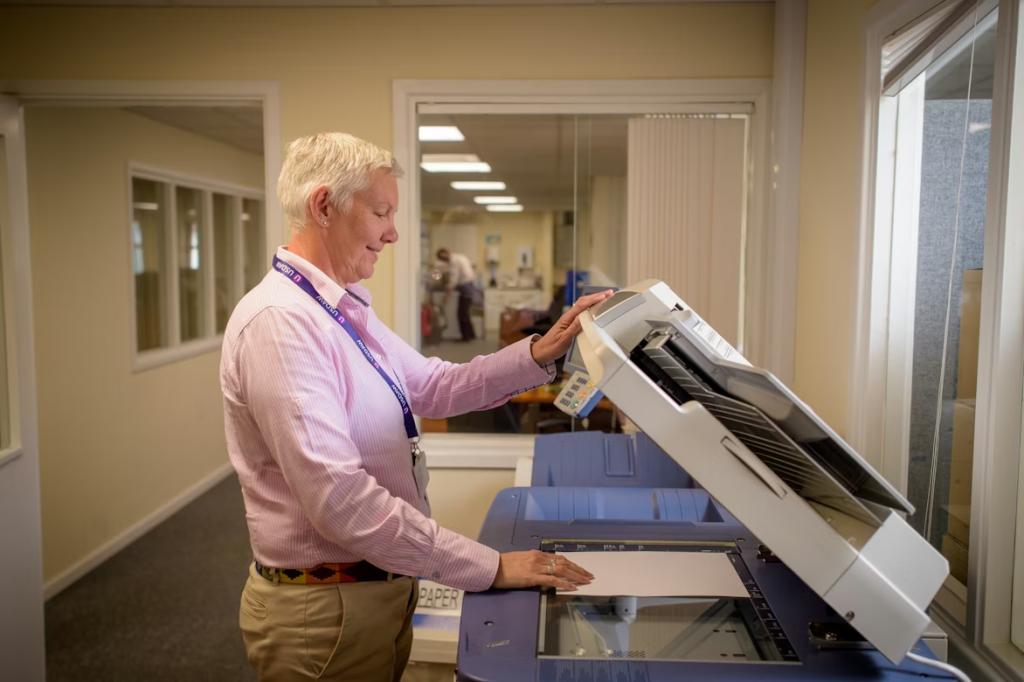
Cost Efficiency and Long-Term Value
Although advanced copiers often require a significant initial investment, they provide long-term financial benefits. Increased efficiency, reduced maintenance requirements, and lower operational costs contribute to overall savings over time. Many organisations also choose leasing options, which allow access to advanced technology without large upfront expenses.
Evaluating the total cost of ownership, which includes maintenance, supplies, energy consumption, and potential downtime, provides a more accurate understanding of a copier’s long-term value. This approach helps businesses make informed investment decisions based on both immediate and future needs.
Industry-Specific Applications
Copiers are widely used across various industries, each with specific operational requirements. In healthcare, copiers must handle large volumes of sensitive patient records securely and efficiently. In legal environments, accuracy and confidentiality are essential for document processing. Educational institutions rely on copiers for producing learning materials in high quantities.
To meet these diverse needs, modern copiers offer customizable features such as high-speed printing, advanced sorting functions, and specialised media handling. These adaptations ensure that each industry can optimise its document management processes according to its unique demands.
Conclusion
The office copier has undergone a significant transformation from a basic duplication machine to an advanced multifunctional system. Its evolution reflects broader technological progress in digital connectivity, automation, and workplace efficiency. Through innovations in functionality, security, and sustainability, modern copiers have become essential tools in contemporary business operations. Companies such as Konica Minolta continue to drive this progress, shaping the future of office technology and reinforcing the copier’s role as a key component of organisational productivity.
